By Claire Mills, Founder of Core LDN, Pelvic Health Physiotherapist & Pilates Instructor
If there is one part of the body I wish every woman understood earlier, it’s the pelvic floor. These deep-core muscles support your bladder, bowel, and reproductive organs, and play a central role in core stability, sexual function, and continence. So in my opinion they deserve far more attention than the occasional set of hurried Kegels while sitting at a red light.
Whether you’re navigating your 30s, perimenopause in your 40s, hormonal shifts in your 50s, or the decades beyond, pelvic floor strength will influence your confidence, mobility, and long-term health. And the good news is that it’s never too early or too late to improve strength, flexibility, and function.
Below is what I think all women should know about the pelvic floor, plus I have broken down what you need to know by decade, based on clients that we see at Core LDN in clinic and in studio.
What Exactly Is Your Pelvic Floor?
Think of the pelvic floor as a small but mighty hammock of muscles stretching from your pubic bone to your tailbone. It works in coordination with your diaphragm, deep abdominals, and back muscles. The pelvic floor has 3 parts – back passage/ vagina/ urethra and 3 layers – the superficial/ middle and deep layers- a strong and health pelvic floor requires you to recruit all these parts and layers. When it’s functioning well, you barely notice it. When it’s not, you feel it, symptoms such as leaking, heaviness, pain, or core weakness.
The three most common patterns we see are:
Weakness (leaking with cough or exercise)Over-activity (tight muscles causing pain or, urgency or incomplete bladder emptying)Poor coordination (muscles don’t switch on at the right time)
So strengthening isn’t always about squeezing harder, it’s about improving control.
How to Tell If You’re Doing it Right
Signs your pelvic floor contraction is correct:
– You feel a lift, not just a squeeze
– Your belly stays relatively flat and relaxed (not bulging outward)
– Your glutes, inner thighs and bigger global abdominals don’t take over
– You can feel the release/ relax afterwards
If you’re not sure, that’s very normal. A pelvic health physio can assess your muscles properly, internally if needed, and guide you.
The Truth About Kegels
I have to say it: Kegels are often performed incorrectly. Kegels when done correctly have;
Good technique (involving all of the muscles of the pelvic floor)EnduranceRelaxation phaseBreathing coordination
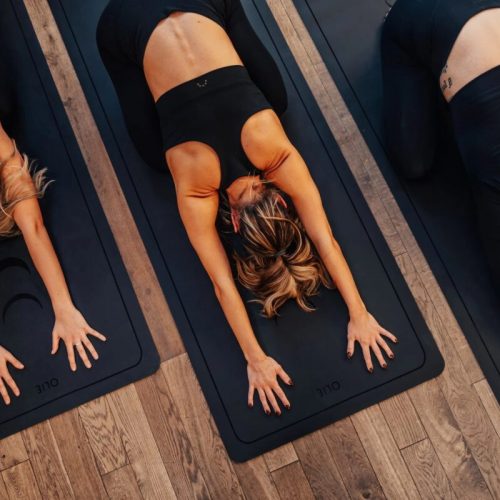
Sometimes the best first step is learning to let go, especially if you have pain with intercourse, tailbone pain, or trouble starting or stopping the flow of urine. Belly breathing is a perfect way to relax your pelvic floor. Try doing this in a position where the pelvic floor is put on a stretch to facilitate relaxation further i.e. wide knee child’s pose or a butterfly position.
Common Mistakes Women Make
Doing hundreds of Kegels without techniqueOnly squeezing when problems appearIgnoring leaking because “it’s normal after kids” or “I’m going through the menopause”Avoiding exercise out of fear of prolapseHolding their breath during core work
Your pelvic floor is like any other muscle: it needs smart, progressive training.
Your 30’s: Prevention and Posture
This is often a decade of change; pregnancy, childbirth, busy careers, and long sitting hours. Even without babies, your pelvic floor is already working hard.
The focus in your 30s:
Learning correct activationRe-training after pregnancy or injuryBuilding endurance and coordination
What to practice:
The “lift and release”
Imagine stopping passing wind or drawing a tampon upward. Gently lift, not clench, as you exhale and release fully as you inhale. Breathing mechanics
Learn to exhale when you exert, we know the pelvic floor naturally recruits better on an exhale. Ensure not to hold your breath when exerting, breath holding can strain the pelvic floor.Postural Pilates
Neutral pelvis exercises improve core synergy and prevent future dysfunction. Avoiding extreme pelvic postures that can manifest from tight muscles from sustained postures, pregnancy and post-natal.
Being specific in how you train your pelvic floor, particularly if you have symptoms is honestly ground breaking. Pilates can be great to strengthen the pelvic floor but only if you’re contracting and relaxing your pelvic floor optimally.
It’s also worth noting a common misconception: If you’re young and fit, you don’t need pelvic floor training. Not true. Even elite athletes can struggle with leakage, and women who’ve never had children experiencing prolapse. Prevention starts now.
Your 40’s: Hormones, Stress, and Early Prolapse Support
This is when subtle symptoms can begin:
Heavier periodsMore bladder urgencyCore weakeningPelvic heaviness after long days
Declining oestrogen can change tissue elasticity, meaning the pelvic floor may need more targeted strengthening.
The focus in your 40s:
Strength + endurance- hello reformer Pilates!Starting prolapse-prevention habits i.e. thinking of your pelvic floor when exercising Managing constipation (a major pelvic strain and should always be addressed.. try 2 kiwis a day!)
What to add:
Endurance holds (8–10 seconds)Functional load training (training your pelvic floor whilst doing squats, lunges, bridging- reformer Pilates is a great way to do this)Pelvic mobility, not every problem is weakness
This is the decade where we hear women say, “I wish I started sooner.” The earlier you build resilience, the easier menopause will be.
Your 50’s and Beyond: Menopause, Strength Maintenance & Lifestyle
This stage is about protecting function and quality of life. Hormonal shifts can accelerate muscle loss, and connective tissue becomes more vulnerable.
Focus areas in your 50s+:
Resistance training (yes, weights are your friend)Continued pelvic floor conditioning- reformer Pilates is perfect for thisMaintaining sexual function and bladder control
What to prioritise:
Pelvic floor + full-body strengthWalking, Pilates, and loaded functional movementConsistency over intensity
Important: A weak pelvic floor is not “just aging.” It is treatable at any age. We see women in their 70s and 80s reverse leakage and reduce prolapse symptoms.
When to Seek Professional Help
Book with a pelvic physio if you have:
Leaking (even a few drops)Pelvic or lower back painProlapse symptoms (heaviness, bulging)Painful sexDiastasis recti concernsWant advice and support during pregnancy or with Post-natal recovery Difficulty controlling gas or bowels
Earlier intervention means easier results. At Core LDN we start you with a full Pelvic Health Consultation including a Pelvic Floor Internal assessment. This consultation will include diagnosis, treatment, a bespoke exercise plan and lifestyle advice. As part of our Pelvic Health Physiotherapy service we run a unique Core & Pelvic Floor reformer Pilates class. In our eyes, the perfect way to build strength and maintain the health of the pelvic floor through Pilates.
The Best Exercises at Any Age
I recommend a combination approach:
– Pelvic floor activation + relaxation
– Deep abdominal training through Pilates
– Strength training and impact work when appropriate
Your pelvic floor loves variety. It supports you through life, so it needs both strength and suppleness.
Take away tips
Strong pelvic floors aren’t just about avoiding leakage, they are about:
Core stabilityConfidence in movementSexual wellnessAging wellLong-term lifestyle independence
Every decade brings new challenges, but also new opportunities to build resilience. Pelvic health is not a one-time project—it’s a lifelong investment in your wellbeing.
If you take one message from this article, I would like it be this: It is never too late to improve your pelvic floor strength and function. The earlier you start paying attention, the stronger you’ll stay through every phase of life.Core LDN is a Physiotherapy and Pilates studio based in South West London and they run incredible Physiotherapy led Pilates retreats, with their next Luxury retreat in Mauritius in 2026- it’s one not to be missed https://www.coreldn.com/reformer-and-mat-pilates-retreats
The post Everything You Need to Know to Strengthen Your Pelvic Floor in Your 30’s, 40’s, 50’s and Beyond appeared first on Hip & Healthy.